
 Arsya
Arsya
Craft an effective Calisthenics Trainingsplan to build genuine strength. Learn progressive steps, proper form, and consistent practice.
My journey into bodyweight training started years ago, driven by a desire for practical strength that didn’t rely on gym equipment. I wanted to move my own body with skill and power. This isn’t about fleeting fitness trends or quick fixes. It’s about a systematic approach to build lasting strength, mobility, and control. A well-structured Calisthenics Trainingsplan is your blueprint for this kind of physical development. It helps you progress from basic movements to advanced skills, all using your own body as resistance. Real strength comes from consistent effort and smart programming.
Key Takeaways
- Genuine strength in calisthenics is built progressively, focusing on fundamental movements.
- Consistency is paramount; regular practice outweighs sporadic intense sessions.
- Proper form protects against injury and maximizes muscle engagement for better results.
- Progressive overload, even with bodyweight, is essential for continued strength gains.
- A structured Calisthenics Trainingsplan should balance strength, skill work, and recovery.
- Listen to your body and adjust your plan as needed, prioritizing longevity.
- Nutrition and adequate rest are as critical as the training itself.
- Advanced skills require immense patience and specific, consistent practice.
Building Foundational Strength with Your Calisthenics Trainingsplan
Starting with calisthenics requires mastering the basics. Forget fancy moves initially. Focus on proper push-ups, squats, pull-ups, and core exercises like planks and hollow holds. These are the pillars of bodyweight strength. When I first started, my push-up form was terrible. I spent weeks refining it, doing fewer repetitions but with perfect execution. This dedication to form prevents injuries and ensures you’re engaging the correct muscles. Many people in the US rush into complex exercises, skipping this vital foundational phase.
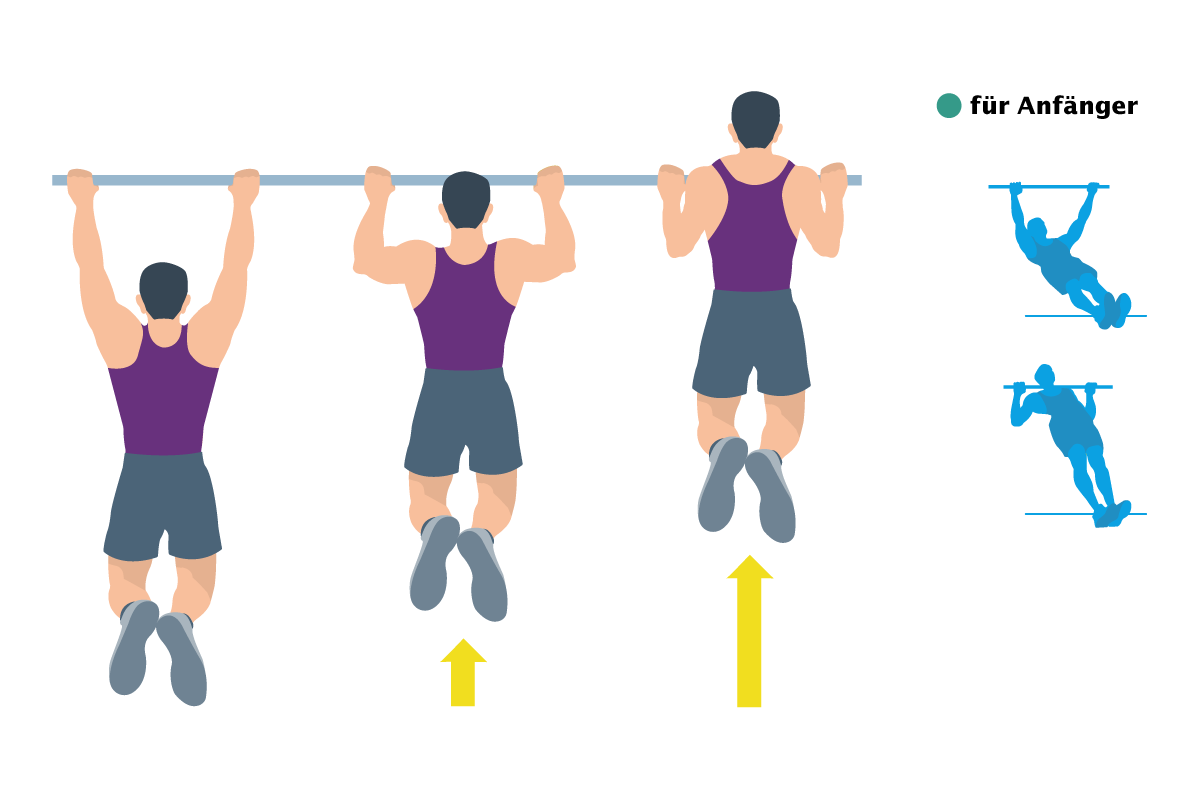
A good Calisthenics Trainingsplan begins by assessing your current strength levels. Can you do 5 clean pull-ups? How about 10 perfect push-ups? Be honest with yourself. Then, set realistic, incremental goals. For example, if you can’t do a pull-up, work on inverted rows and negative pull-ups. These regressions build the necessary strength for the full movement. Each exercise should be performed with control. Don’t just swing or drop through movements. Think about the muscle contraction. This controlled movement builds real strength, not just momentum.
For squats, ensure your hips go below your knees, keeping your back straight. For planks, maintain a rigid body from head to heels. This initial phase might feel simple, but it’s where true strength potential is cultivated. Without a solid base, advanced movements become risky and inefficient. Consistency here is key. Aim for 3-4 sessions per week, allowing for recovery. Your plan should include warm-ups to prepare your body and cool-downs for flexibility.
Progressive Overload in Your Calisthenics Trainingsplan
Once you’ve mastered the basics, how do you keep getting stronger without adding weight? This is where progressive overload becomes critical for your Calisthenics Trainingsplan. It simply means making an exercise harder over time. There are several ways to do this. You can increase repetitions or sets. If you can do 3 sets of 10 push-ups, try for 3 sets of 12. Or increase the number of total sets.
Another effective method is decreasing rest times between sets. Shorter rests mean less recovery, making the subsequent sets more challenging. You can also change the leverage or stability of an exercise. Move from standard push-ups to decline push-ups (feet elevated), then to pseudo planche push-ups. Each variation makes the movement more difficult, requiring greater strength. For pull-ups, transition from regular grip to close grip, then to one-arm negatives.
Adding resistance is another option, even without a gym. A weighted vest or backpack can simulate external load. Tempo control is also powerful. Slow down the eccentric (lowering) phase of a pull-up or push-up to 3-5 seconds. This increases time under tension, leading to greater muscle fatigue and strength adaptations. A structured Calisthenics Trainingsplan incorporates these strategies systematically. It’s not just about doing more, but doing smarter. Track your progress. Knowing your numbers motivates you and helps you adjust your plan.
Structuring an Effective Bodyweight Routine
Crafting a practical training schedule is vital. A typical week might involve 3-4 full-body or upper/lower split sessions. For example, Monday: upper body, Tuesday: lower body/core, Wednesday: rest, Thursday: upper body, Friday: lower body/core, Weekend: active recovery or rest. This structure ensures adequate rest for muscle recovery and growth. Each session should begin with a dynamic warm-up, followed by your main strength work.
Prioritize compound movements first. These are exercises that involve multiple joints and muscle groups, like pull-ups, push-ups, squats, and dips. After your main strength work, you can add accessory exercises for specific muscle groups or skill development. For example, bicep curls with rings or leg raises for abs. The total workout duration can range from 45 to 75 minutes, depending on your experience and goals.
Recovery days are not optional; they are essential. Your muscles grow stronger during rest. Active recovery, like light walking or stretching, can help with blood flow and reduce soreness. Remember, consistency over intensity. It’s better to stick to a slightly less intense plan consistently than to burn out quickly with an overly aggressive one. Listen to your body and adjust. Some weeks you might feel stronger, others less so. That’s normal.
Advanced Skills and Consistent Practice in Your Calisthenics Trainingsplan
Once you have a strong foundation and understand progressive overload, your Calisthenics Trainingsplan can include advanced skills. Think about the planche, front lever, human flag, or one-arm pull-up. These moves require immense strength, control, and patience. They are often broken down into numerous regressions. For a planche, you’d progress from tuck planche holds to advanced tuck, straddle, and eventually full planche. Each step takes time.
The key to mastering these skills is consistent, focused practice. This isn’t just about general strength anymore; it’s about specific strength and neurological adaptation. Incorporate skill work early in your training sessions when you are freshest. Dedicate 15-20 minutes to working on a specific skill’s regressions. Don’t expect immediate results. These skills can take months, even years, to achieve. The journey itself builds incredible discipline.
Maintaining consistency means showing up even on days you don’t feel like it. It means tracking your progress and celebrating small victories. Nutrition plays a huge role here too. Fueling your body with adequate protein, carbohydrates, and healthy fats supports muscle repair and energy levels. Hydration is also frequently overlooked. A well-hydrated body performs better and recovers faster. Your Calisthenics Trainingsplan is a living document, evolving with your strength and aspirations. Embrace the process, stay patient, and the strength will follow.